View Providers
Why Does My Knee Hurt? 6 Answers to a Common Question
Your knee is the strongest and biggest joint in your body.
It lets you stand, walk, run and squat. However, disease or injury can cause
pain in your knee. Arthritis is the most common disease that affects the knee. Other
possible knee pain causes and injuries include damage to cartilage inside the knee
or to ligaments and tendons that support the knee. Knee pain symptoms often include
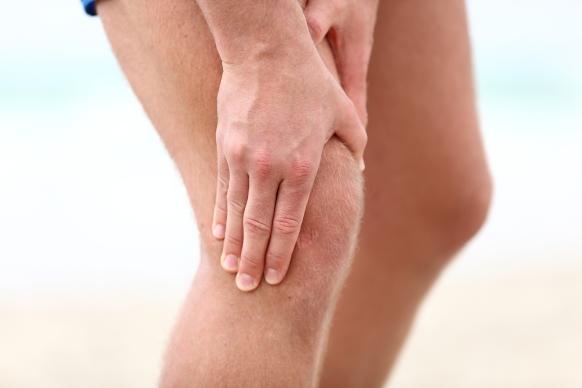
swelling and stiffness. If you have occasional, acute or chronic knee pain,
consider these common causes of knee pain.

1. Osteoarthritis
Osteoarthritis is the
most common cause of knee pain. It develops when the cartilage in your knee joint
wears down over time. Cartilage acts as a cushion in your knee. It's slippery
and allows you to move your knee smoothly. Loss of cartilage causes bone to rub
on bone and that's painful. Osteoarthritis is the most common type of arthritis
in older people. But, it may develop before age 50 if you've had a knee injury.
See your doctor if pain keeps you from everyday activities. Treatment can
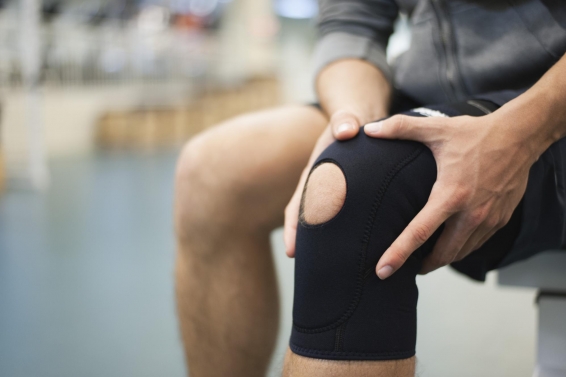
include weight loss, physical therapy, and knee support. Knee replacement surgery
may be an option for severe cases.
2. Rheumatoid Arthritis
Rheumatoid arthritis
is a disease that causes inflammation in joints all over your body. Knee symptoms
include pain, swelling, redness, stiffness and warmth. With rheumatoid
arthritis, you will usually have pain in both knees. Symptoms most often start between
the ages of 20 and 50. This type of arthritis affects women more often than
men. If you have knee pain along with the other symptoms, see your doctor. The
main treatment is medication to reduce inflammation and slow the progression of
the disease.

3. Runner's Knee
The medical name for
this disease is chondromalacia. But, it's known as runner's knee because it's
common in young athletes—especially runners. It occurs when the cartilage under
the kneecap wears away. Causes can include a blow to the kneecap or too much
stress on the knee. A muscle imbalance that moves the kneecap out of its normal
position also can cause runner's knee. The main symptom is pain under the
kneecap that gets worse when walking downhill or down stairs. To treat it, your
doctor may suggest exercises that strengthen your thigh muscles without putting
weight on your knee.
4. Torn Meniscus
The meniscus is a type
of cartilage. You have two in each knee. They're wedge-shaped and rest between
the upper and lower bones of your knee joint. They act like shock absorbers. A
tear can happen when you twist or change direction. Minor knee stress can cause
a tear in an older person. Pain may get worse when you straighten your knee and
you may notice some swelling. See your doctor if you have these symptoms. A
partial tear may heal with physical therapy, but a complete tear usually requires
surgery.

5. Ligament Injuries
Ligaments are strong bands
of tissue that connect bone to bone. You have four ligaments in your knee. Cruciate
ligaments connect your thighbone to your shinbone. Collateral ligaments are on
the inside and outside part of your knee. A sudden twist or blow to your knee
can stretch or tear a ligament. You might hear a popping sound and feel your
knee give way, followed by pain and swelling. You need to see your doctor for
knee injuries involving the ligaments. A stretched ligament may heal with
physical therapy and knee support. You may need surgery for a complete tear.

6. Tendon Injury
Tendons connect
muscles to bones. Around your knee, a tendon connects the muscles in the front
of your thigh to your kneecap. Stretching or tearing it can cause pain. The
pain may get worse when you walk, run or jump. You also may feel pain if you
press on your kneecap. See your doctor if you have pain after falling on your
knee or after running and jumping, especially if it's hard to straighten or
bend your knee. Some injuries heal with rest and physical therapy. Others need
surgery. Only a doctor can determine the extent of your injury.